


The big picture:
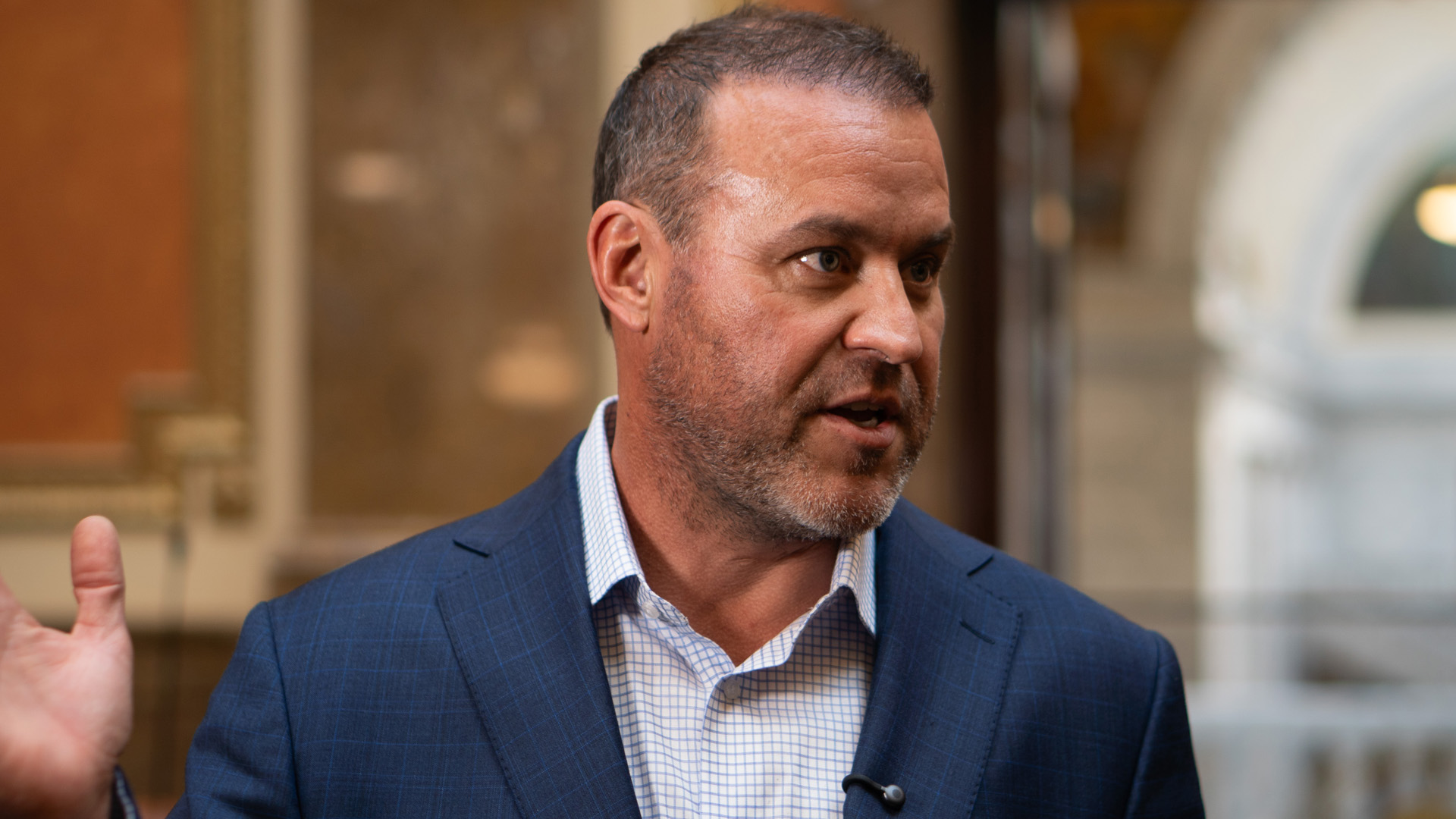
Utah House Speaker Mike Schultz is challenging what he calls “judicial activism” after a judge considered redrawing the state’s congressional district maps — a power he says belongs solely to the elected Legislature.
Why it matters
The case strikes at the heart of separation of powers and raises questions about whether courts can override legislative decisions on political boundaries.
By the numbers
- Only 14% of Utah voters are registered Democrats
- It takes over 50% to win a congressional seat
- The current maps were adopted 4 years ago after months of public input
What they’re saying
“Utah’s Constitution is clear — the people elect their lawmakers, and those lawmakers draw Utah’s district maps,” Schultz said. “The authority to draw political boundaries resides with the Legislature, which is elected by the people, not the judicial branch.”
“This is judicial activism at its worst — legislating from the bench and overriding the will of the people,” he added. “Utahns deserve judges who interpret the law, not rewrite it.”
The backdrop
The legal challenge is backed by out-of-state interest groups and national liberal organizations with attorneys from Washington, D.C., according to Schultz.
Some point to Proposition 4 from 2018 as justification for court intervention, but Schultz argues a proposition isn’t the same as a constitutional amendment — and the judge’s process doesn’t even follow Prop 4.
The other side
Challengers argue that creating a Democrat-leaning district would better represent Utah’s political diversity and competitive interests.
What’s next
“We will push back every step of the way to do what’s right,” Schultz said. “Our Constitution — and our voice — must come first.”
