


Weber State’s Walker Institute proves viewpoint diversity isn’t just possible on college campuses — it’s essential for creating better citizens.
The big picture
While political tensions simmer on campuses nationwide, Weber State University has found a different path forward through its Walker Institute of Politics and Public Service. The institute’s approach: bring diverse viewpoints to students and teach them how to engage with ideas they disagree with — without the hostility.
Why it matters
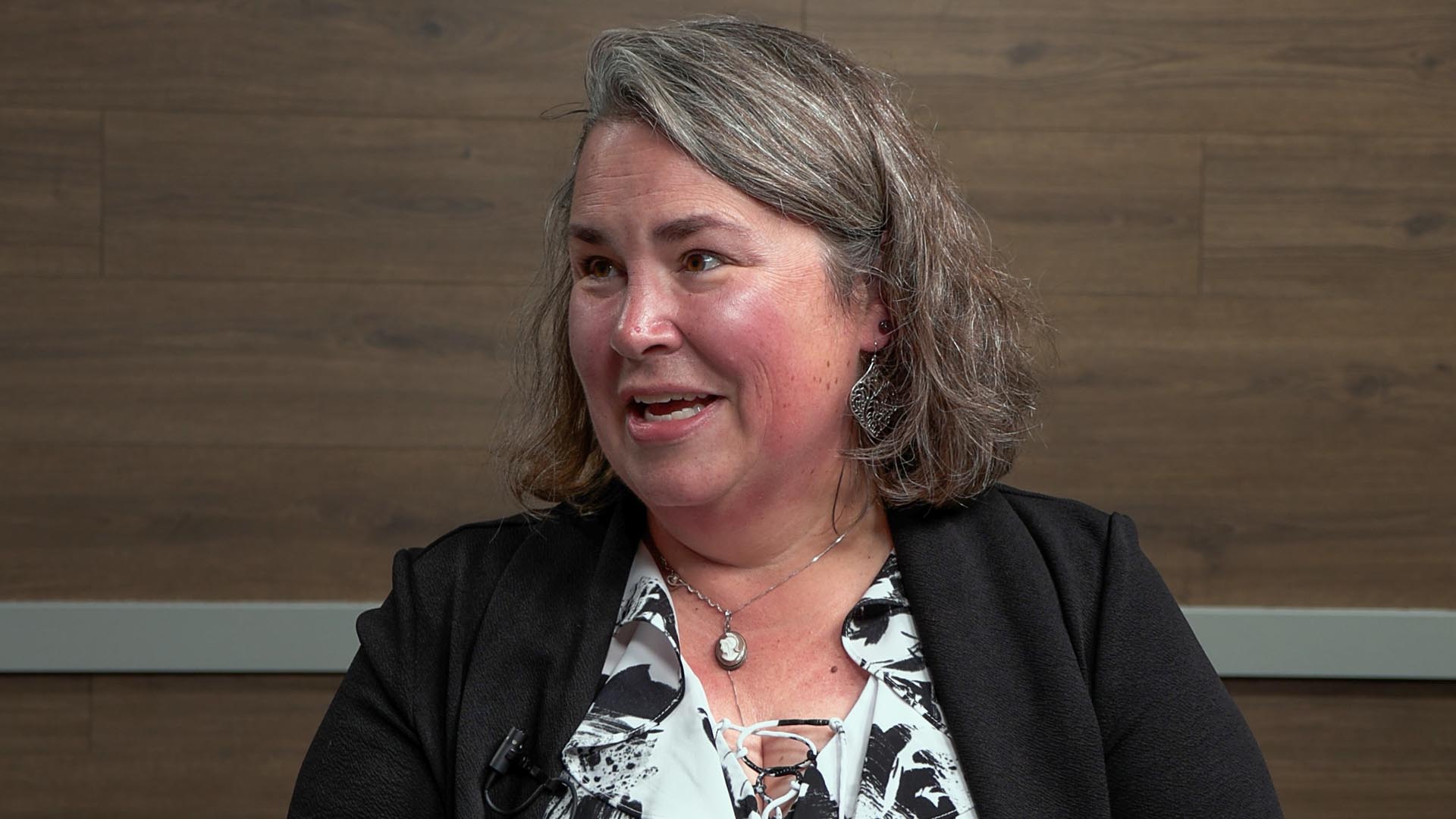
“All of this work helps us become better neighbors to each other,” says Dr. Leah Murray, director of the Walker Institute. “This work helps us answer that call. It makes us better neighbors, makes us better citizens.”
How it works
- The institute hosts monthly speakers representing different political perspectives, including signature events like Constitution Day and the Haven J. Barlow Civic Leadership Forum.
- Murray doesn’t just balance viewpoints within her department — she monitors what’s happening across campus to ensure students encounter a true range of perspectives.
- Students learn not just to hear different opinions, but to process them constructively.
The reality check
Murray’s data from a decade of teaching reveals something surprising about Weber State students: they’re not as ideologically uniform as you might expect.
- “Our students are very conservative. And they’re very liberal, but most of them are what Pew calls ‘stressed sideliners’,” Murray explains. “They come in just like, ‘this is really fatiguing.’”
- That fatigue becomes a teaching opportunity: showing students that political conversations don’t have to be exhausting or hostile.
What students learn
Beyond exposure to different viewpoints, students discover something equally valuable: they don’t have to have an opinion on everything.
The bottom line
Murray’s hope echoes Governor Spencer Cox’s recent plea on 60 Minutes: “All I’m trying to do is to get people to realize it is not life or death. These conversations are decades long, centuries long, and we are not urgently finding the answer right now.”
In a landscape where campus political debates often generate more heat than light, Weber State’s Walker Institute offers a model worth studying — one that treats viewpoint diversity not as a problem to be solved, but as an essential ingredient in creating thoughtful, engaged citizens.
Learn more about the Walker Institute at weber.edu/walker.