


One Big Thing
Hundreds of Ogden School District students got hands-on exposure to aerospace and defense careers—discovering pathways to six-figure salaries without traditional four-year degrees.
Why it matters
In a region where fighter jets fly overhead daily, most students don’t realize the career opportunities literally above them. Events like this connect aptitude to opportunity—and paycheck.
What’s happening
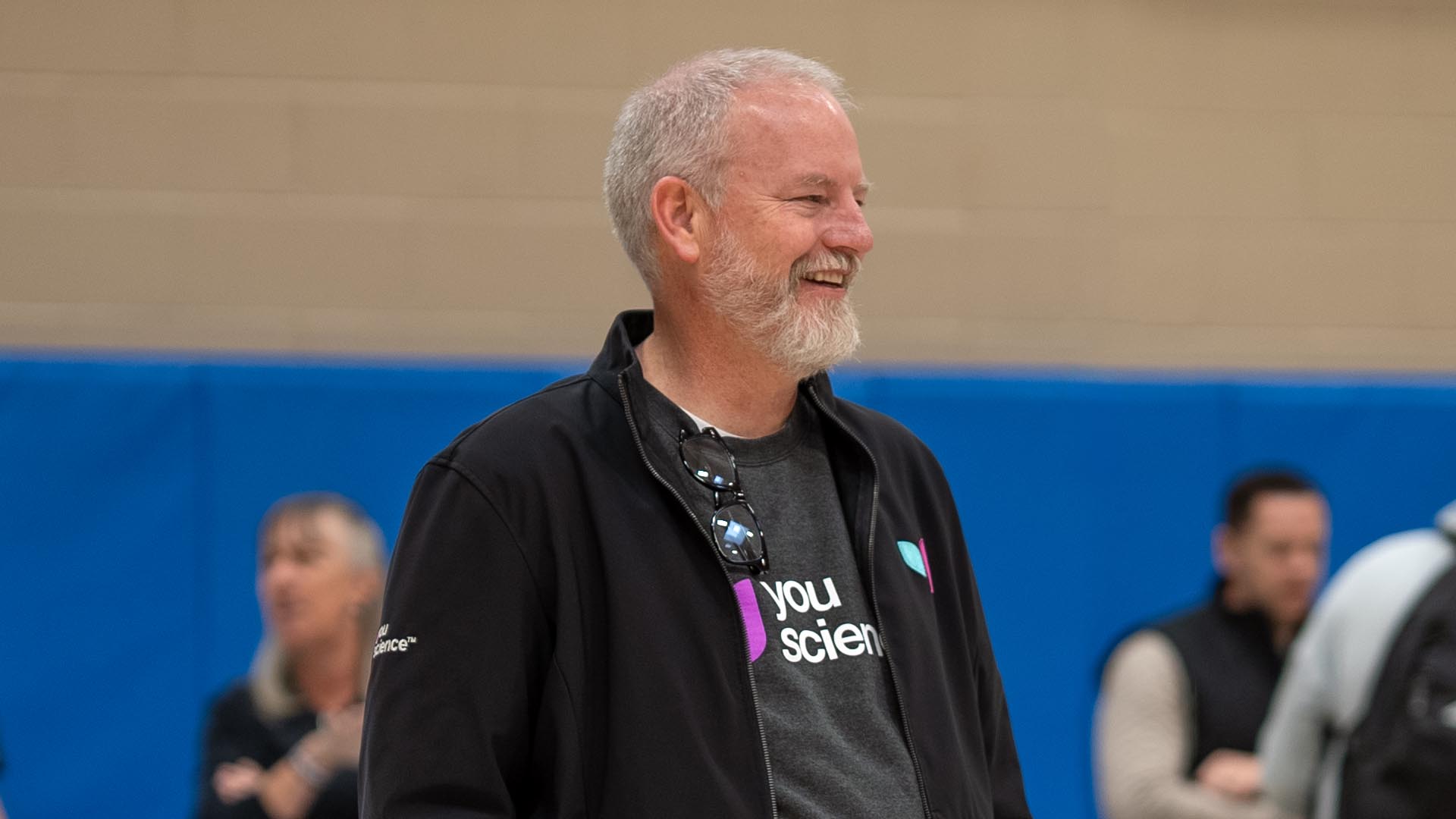
- The Ogden School District partnered with YouScience to host a career exploration event featuring local aerospace and defense companies
- Students learned about careers offering starting salaries around $70,000—with potential to reach six figures
- The event targeted students whose aptitudes and interests align with these high-demand fields
What they’re saying
Edson Barton, CEO, YouScience: “We serve as the backbone for career and technical education — helping identify the students that really match the jobs that these businesses have to offer.”
Mike Schultz, Speaker/Executive: “For the last few decades, there’s been a lot of emphasis on go to college, go to college, go to college. And the trades have been left out of that conversation. Jobs that used to pay ten, twenty, thirty bucks an hour — those jobs are paying forty, fifty, sixty, eighty dollars an hour.”
Rich Nye, CTE Leader: “CTE, your career and technical education, is in Utah among the best in the nation. We identified a long time ago that CTE and the relevance that it has for our students — to be able to enter the workforce having a set of skills — is a priority we would want for all of our students.”
Luke Rasmussen, Ogden School District Superintendent: “There’s opportunities that kids maybe have never thought of. They’ve never even thought that this would be something that they would be interested in. They take that test and they do some clear exploration and they figure out that they actually could be really good at this field.”
Emilynn Cota, student: “I think that it would be a really great opportunity and that they should really take it, because you never know what you really want to do in life. And I think it’s just like it’s something good to have.”
The bigger picture
Rasmussen emphasized the transformative potential: “And then they look at the opportunities that they have. And it can be really life changing for our students. And we have to present those kind of opportunities.”
Barton put it in terms of student motivation: “When we can connect what a student is learning in the classroom to what their potential career could be after high school — all of a sudden, everything starts to click for them. Students will walk through walls to get a good education if they understand why they’re learning what they’re learning.”
Between the lines
Students like Cota came looking to expand beyond their initial career interests—viewing the event as a chance to discover “something else that I might like” because “life’s too short to just have one career.”
The bottom line
When students see rocket launchers up close and talk to real engineers, abstract career paths become tangible possibilities—complete with clear next steps through CTE programs and industry partnerships.