


The One Big Thing:
The Utah Legislature closed its 2026 session with a sweeping package of tax cuts and family investments — cutting the state income tax for the sixth consecutive year and slashing the gas tax, all while making record investments in education, child care, and youth mental health.
Utah families are paying less — and lawmakers say that’s exactly the point.
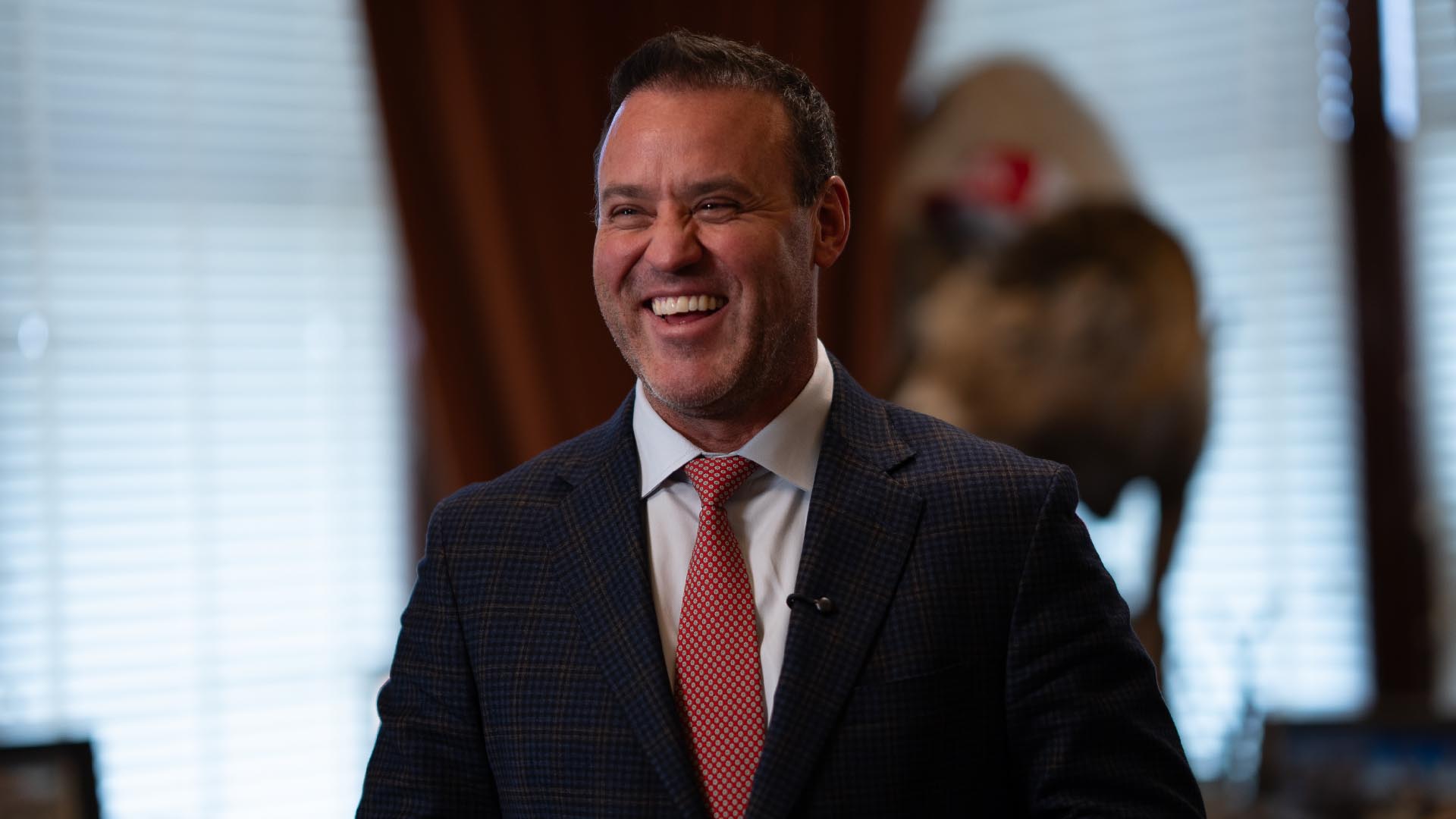
Speaker of the Utah House of Representatives Mike Schultz this week highlighted the Legislature’s 2026 session accomplishments, framing the work as a direct response to the financial pressures facing everyday Utahns.
“Across our state, families of all shapes and sizes are feeling the squeeze of rising costs, making it harder to make ends meet or to get ahead,” Schultz said.
The Legislature’s answer: cut taxes again.
For the sixth straight year, lawmakers reduced the state income tax rate — dropping it to 4.45% from a high of 4.95% in 2020. Schultz called the pattern intentional.
“These steady, disciplined reductions have lowered the state income tax by eleven percent — saving Utahns hundreds of dollars every single year,” he said.
But the income tax wasn’t the only place lawmakers found savings for residents. Beginning July 1st, Utah will cut its gas tax by 15% — a move Schultz framed in direct, personal terms.
“That’s money you’ll feel every week,” he said.
Families first
Beyond the headline tax numbers, the Legislature expanded the Child Tax Credit to reach more families and created new incentives for businesses that provide on-site child care — a move designed to reduce one of the most persistent cost burdens for working parents.
“With these family-friendly tax cuts, Utahns will keep more of every paycheck,” Schultz said.
Lawmakers also directed new funding toward youth mental health treatment, early intervention programs, and child literacy initiatives — investments Schultz described as essential to Utah’s long-term strength.
“These investments include funding for youth mental health treatment, early intervention programs, research, and education — giving families and educators the tools they need to support Utah’s kids,” he said.
The bottom line
The session’s through-line, according to Schultz, was a belief that financial relief and community investment aren’t competing priorities — they’re complementary ones.
Alongside tax relief, the Legislature made what Schultz described as “significant investments in public education and in career and technical education — because a prosperous future begins in the classroom and with hands-on training.”
Parks and public spaces also received new funding — recognizing, as Schultz put it, that these are “the places where families gather and grow.”
The Speaker closed the session summary with a direct statement of intent: “When we lower costs, strengthen our families, and protect our kids — we ensure a brighter future for Utah. That’s what this session was all about.”
